


Thematic areas
Empowering Young Girls on Menstrual Hygiene
In the villages of Masaka and the neighboring districts, many young girls face challenges in managing their monthly periods. Some miss school, others struggle with low self-esteem, simply because they cannot afford sanitary pads.
To change this, Sahara Charity Foundation introduced a life-changing initiative—training young girls to make their own reusable sanitary pads. Through practical workshops, the girls learn step by step how to cut, stitch, and assemble hygienic pads using locally available materials.
The results are inspiring. Not only do the girls gain access to affordable and safe menstrual products, but they also acquire a valuable skill that they can share with friends and even use to generate small income for their families.
This initiative is restoring dignity, building confidence, and keeping girls in school. With every pad made, Sahara Charity Foundation is helping break the cycle of stigma and giving young girls the chance to dream bigger.
To change this, Sahara Charity Foundation introduced a life-changing initiative—training young girls to make their own reusable sanitary pads. Through practical workshops, the girls learn step by step how to cut, stitch, and assemble hygienic pads using locally available materials.
The results are inspiring. Not only do the girls gain access to affordable and safe menstrual products, but they also acquire a valuable skill that they can share with friends and even use to generate small income for their families.
This initiative is restoring dignity, building confidence, and keeping girls in school. With every pad made, Sahara Charity Foundation is helping break the cycle of stigma and giving young girls the chance to dream bigger.
Activities done in pictures
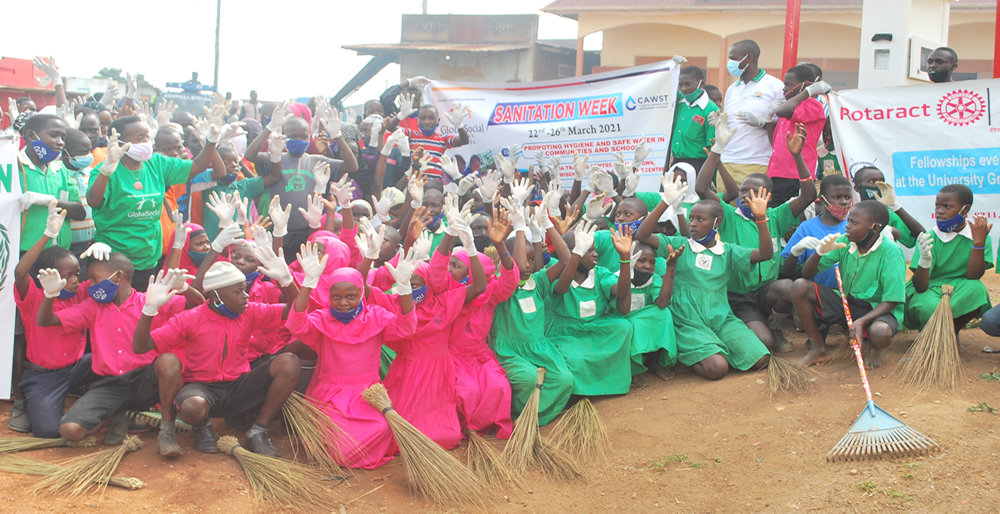
Community on Hygiene and Sanitation

Moblising Communities on Waste Management
THE CHALLENGE
Lack of awareness on menstrual hygiene results into a continuous challenge in the life of adolescent girls especially in rural schools. This is because of the deep-rooted taboo and the level of ignorance in the minds of people about menstruation.
Far from being accepted as a normal, perfectly healthy biological change, menstruation is often treated at par with untouchability. It is very common to have young girls staying away from school for three or more days when they're experiencing menstruation.
In some communities, during this period, even family members are not allowed to touch the girls. Due to the taboo, social misconception, lack of awareness and lack of proper understanding about the human biological development, many girls suffer physically and psychologically.
Lack of menstrual health awareness also results in grave health related issues and is also termed as one of the main reasons for cervical cancer at later stages.
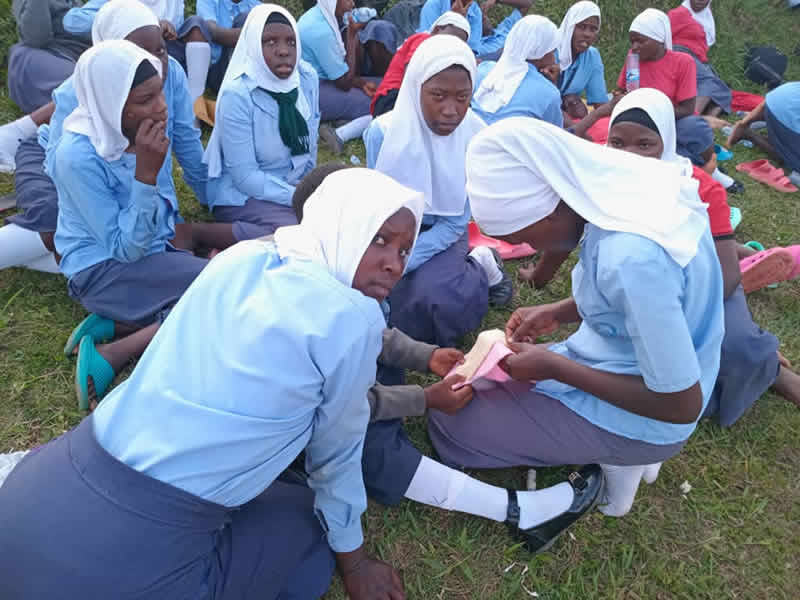
Forming Menstrual Hygiene Management (MHM) clubs in schools with a teacher as a patron to enable continuity of sensitisation of the same.
